
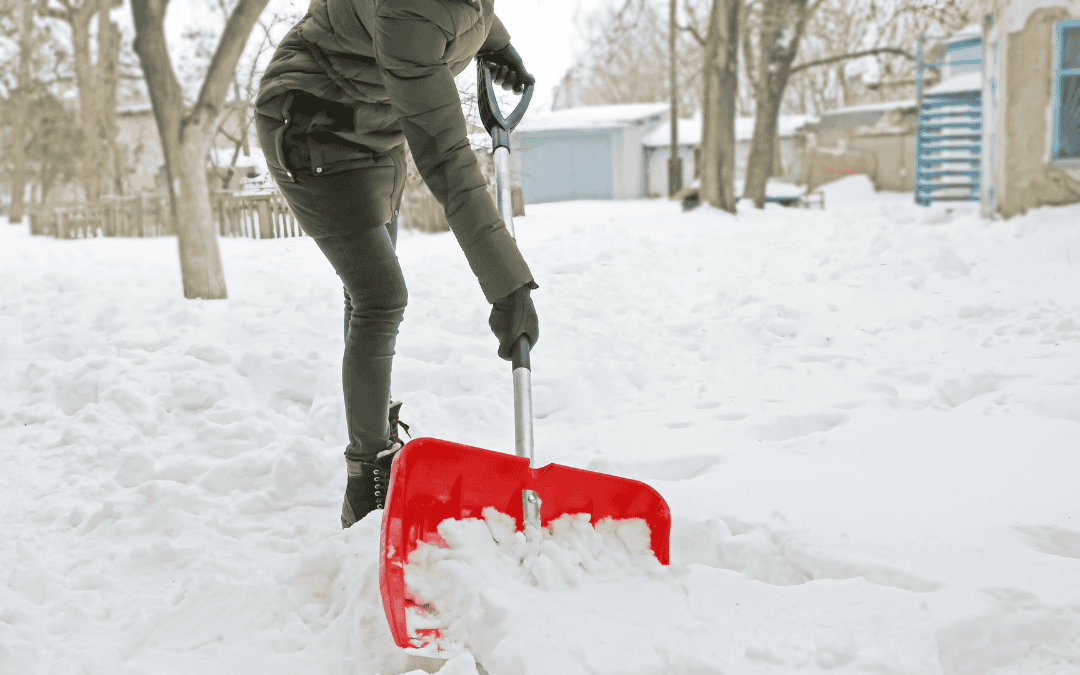
Shoveling snow is a common winter task that many people approach without much thought. While it may seem like a simple chore, snow shoveling places significant stress on the body and can lead to serious injuries if not done carefully. Every winter, emergency departments and walk-in clinics see an increase in back injuries, muscle strains, and even heart related events linked to snow removal.
Understanding how snow shoveling affects the body and learning safe techniques can help reduce these risks. Whether you shovel occasionally or regularly clear driveways and sidewalks, proper preparation and awareness are essential for protecting your health during winter storms.
Why Snow Shoveling Can Be Dangerous
Snow shoveling combines physical exertion with cold weather conditions, creating a challenging environment for the body. Lifting heavy snow requires strength and coordination, while slippery surfaces increase the risk of falls. Cold temperatures can also cause muscles to tighten, making them more prone to strain and injury.
In addition, snow shoveling often involves repetitive bending and twisting motions. These movements place stress on the spine and surrounding muscles, especially when lifting heavy or wet snow. For individuals who are not accustomed to physical labor, this sudden exertion can overwhelm the body and lead to injury.
Common Back Injuries From Shoveling Snow
Muscle Strains And Sprains
Back strains are among the most frequent injuries associated with snow shoveling. These injuries occur when muscles or ligaments are overstretched or torn, often due to lifting too much weight or using improper technique. Sudden movements, such as twisting while lifting, can increase the risk significantly.
Symptoms may include pain, stiffness, limited mobility, and muscle spasms. While mild strains may improve with rest, more severe injuries can interfere with daily activities and require medical evaluation.
Disc And Spine Related Injuries
Improper lifting can also place pressure on the spinal discs, increasing the risk of disc injuries. Repeated stress or heavy lifting may aggravate existing back conditions or lead to new issues. Individuals with a history of back pain or spinal problems are especially vulnerable during snow shoveling.
Ignoring back pain and continuing to shovel can worsen the injury and prolong recovery time.
Heart Risks Associated With Snow Shoveling
Why Shoveling Can Strain The Heart
Snow shoveling is a physically demanding activity that can quickly raise heart rate and blood pressure. Cold temperatures cause blood vessels to constrict, which forces the heart to work harder to pump blood throughout the body. When combined with sudden exertion, this increased demand can place significant stress on the cardiovascular system.
For individuals with underlying heart conditions or risk factors such as high blood pressure, high cholesterol, or a sedentary lifestyle, snow shoveling can increase the risk of heart related events.
Warning Signs To Watch For
Chest pain, shortness of breath, dizziness, nausea, or pain radiating to the arms or jaw during or after shoveling are warning signs that should never be ignored. These symptoms may indicate a serious heart issue and require immediate medical attention.
Listening to your body and stopping activity at the first sign of discomfort can be lifesaving.
Preparing Your Body Before Shoveling
The Importance Of Warming Up
Cold muscles are more likely to become injured. Taking a few minutes to warm up before shoveling helps increase blood flow and improve flexibility. Gentle movements that engage the arms, legs, and back prepare the body for physical exertion and reduce the risk of strain.
Even brief warm up activity can make a meaningful difference in injury prevention.
Dressing For Safety And Comfort
Wearing appropriate clothing helps protect the body from cold temperatures and supports safer movement. Layered clothing allows for temperature regulation, while supportive footwear with good traction helps prevent slips and falls. Gloves that provide warmth and grip also reduce strain on the hands and wrists.
Safe Techniques For Shoveling Snow
Protecting Your Back While Lifting
Using proper body mechanics is essential when shoveling snow. Bending at the knees rather than the waist helps shift the workload to the legs instead of the lower back. Keeping the shovel close to the body reduces strain, while lifting smaller amounts of snow at a time prevents overexertion.
Pushing snow when possible, rather than lifting, can significantly reduce stress on the spine.
Managing Effort And Pace
Taking breaks during shoveling allows the body to recover and prevents fatigue. Rushing through the task increases the likelihood of injury and cardiovascular strain. Working at a steady, moderate pace supports safer completion of the job.
Staying hydrated is also important, even in cold weather, as dehydration can contribute to muscle fatigue and cardiovascular stress.
Knowing When To Avoid Shoveling
Who Should Be Extra Cautious
Certain individuals should approach snow shoveling with extra caution or avoid it altogether. Those with heart disease, chronic back pain, joint conditions, or limited mobility may face higher risks. Older adults and individuals who are not regularly physically active may also be more vulnerable to injury.
In these cases, arranging for assistance or using mechanical snow removal tools can be a safer alternative.
Listening To Your Body
Pain, fatigue, or shortness of breath are signals to stop and rest. Ignoring these warning signs can lead to serious injury. It is always better to take breaks or seek help than to push through discomfort.
When To Seek Medical Care After Shoveling
Recognizing Injury Symptoms
Persistent back pain, muscle weakness, numbness, or pain that worsens over time may indicate an injury that requires medical evaluation. Heart related symptoms such as chest discomfort, difficulty breathing, or unusual fatigue should be addressed immediately.
Early evaluation allows for appropriate treatment and reduces the risk of long term complications.
The Benefits Of Prompt Treatment
Timely medical care helps identify the cause of symptoms and guides recovery. Addressing injuries early supports faster healing and safer return to normal activities.
Get Help And Care At EZCare Walk In Medical Center
Snow shoveling is an unavoidable part of winter for many people, but it does not have to come at the cost of your health. By understanding the risks, preparing your body, and using safe techniques, you can reduce the likelihood of back and heart injuries during snow removal.
If you experience back pain, muscle strain, chest discomfort, or other symptoms after shoveling snow, EZCare Walk In Medical Center is here to help. Our medical team provides prompt evaluation and treatment for musculoskeletal injuries and heart related concerns. Visit https://ezcareclinics.com to learn more about our main services and get the care you need to stay safe and healthy this winter.
