
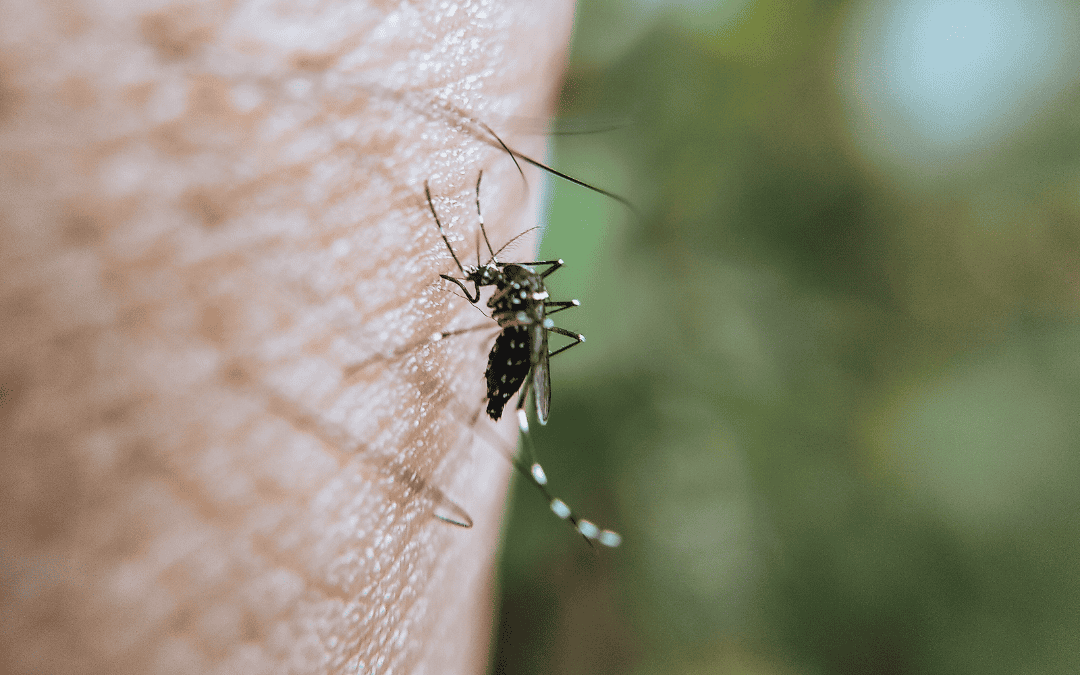
Spending time outdoors often comes with an occasional insect bite or sting. Mosquitoes, bees, wasps, fire ants, and other insects are common during warmer months. Most bites and stings cause mild irritation that improves within a few days. In some cases, the body’s immune system responds more aggressively, leading to an allergic reaction.
Knowing how to recognize the signs of an allergic reaction helps you determine when home care is appropriate and when medical attention is necessary. Early treatment plays an important role in preventing serious complications.
Understanding Normal Reactions To Insect Bites And Stings
Before identifying an allergic reaction, it helps to understand what a normal response looks like.
Most insect bites and stings cause redness, swelling, itching, and mild pain around the affected area. These symptoms typically remain localized to the bite or sting site and improve within several hours or days. Common reactions include a small raised bump from a mosquito bite or temporary swelling after a bee sting.
While these symptoms feel uncomfortable, they do not usually indicate an allergy.
What Causes An Allergic Reaction To An Insect Bite Or Sting?
An allergic reaction occurs when the immune system overreacts to proteins found in insect saliva or venom.
Stinging insects such as honeybees, wasps, hornets, yellow jackets, and fire ants are among the most common causes of serious allergic reactions. Some biting insects, including mosquitoes, also trigger allergic responses in certain individuals.
The severity of an allergic reaction varies from person to person. Some people experience mild symptoms, while others develop life threatening complications.
Signs Of A Mild Allergic Reaction
A mild allergic reaction often extends beyond the normal irritation expected from a bite or sting.
You might notice swelling that spreads beyond the original bite area. The skin may become increasingly red, itchy, or warm. Some individuals develop hives or a rash near the affected region. The symptoms are more noticeable than a typical insect bite but generally do not affect breathing or circulation.
For example, a mosquito bite that causes significant swelling across an entire arm or a wasp sting that produces widespread itching may indicate an allergic response.
Although mild allergic reactions often improve with treatment, they should be monitored closely for worsening symptoms.
Symptoms Of A Severe Allergic Reaction
A severe allergic reaction, known as anaphylaxis, requires immediate medical attention.
Anaphylaxis can develop within minutes after a sting or bite, although delayed reactions also occur. During anaphylaxis, symptoms affect multiple systems throughout the body rather than remaining limited to the skin.
Common symptoms include difficulty breathing, wheezing, throat tightness, swelling of the tongue or lips, widespread hives, dizziness, fainting, nausea, vomiting, rapid pulse, or a sudden drop in blood pressure.
These symptoms represent a medical emergency. Without prompt treatment, anaphylaxis can progress rapidly and become life threatening.
When Symptoms Affect More Than The Bite Area
One important warning sign involves symptoms spreading beyond the original location of the bite or sting.
A normal reaction stays near the affected area. An allergic reaction often produces symptoms elsewhere in the body. Hives on the chest, swelling in the face, or breathing difficulties after a sting indicate a systemic reaction and require immediate evaluation.
Large Local Reactions Versus Allergic Reactions
Some people experience what healthcare providers call a large local reaction.
This type of reaction causes significant swelling and redness around the sting site. The affected area may continue expanding for one or two days and remain swollen for several days afterward. While these reactions appear dramatic, they do not necessarily indicate a severe allergy.
Even so, large local reactions often benefit from medical evaluation, especially when swelling affects mobility or daily activities.
Who Faces A Higher Risk Of Severe Reactions?
Anyone can develop an allergic reaction to an insect bite or sting, even if previous exposures caused only mild symptoms.
Individuals with a history of insect sting allergies face a greater risk of future reactions. People who spend significant time outdoors through work, hiking, gardening, sports, or recreation encounter more opportunities for exposure.
Children and adults alike should remain aware of changing symptoms after any bite or sting.
What To Do After An Insect Bite Or Sting
If you experience a mild reaction, wash the area with soap and water and apply a cold compress to reduce swelling. Avoid scratching the affected skin, since broken skin increases the risk of infection.
Monitor symptoms closely during the hours following the bite or sting. If swelling spreads significantly, hives develop, or new symptoms appear, seek medical evaluation.
If you experience difficulty breathing, facial swelling, dizziness, throat tightness, or widespread hives, seek emergency medical care immediately. These symptoms suggest anaphylaxis and require urgent treatment.
When To Visit Urgent Care For An Insect Bite Or Sting
Urgent care provides a convenient option for evaluating allergic reactions that do not appear life threatening but require medical attention.
Persistent swelling, worsening redness, severe itching, large local reactions, and symptoms that interfere with daily activities often benefit from professional evaluation. Healthcare providers can assess the severity of the reaction and recommend treatment to reduce discomfort and prevent complications.
Prompt care helps ensure symptoms do not progress into a more serious condition.
If you develop concerning symptoms after an insect bite or sting, the team at EZCare is here to help. Our experienced providers offer fast evaluation and treatment for allergic reactions, insect bites, and other urgent health concerns. Visit EZCare today or find a location near you at https://ezcareclinics.com/ to receive timely care and peace of mind.
