
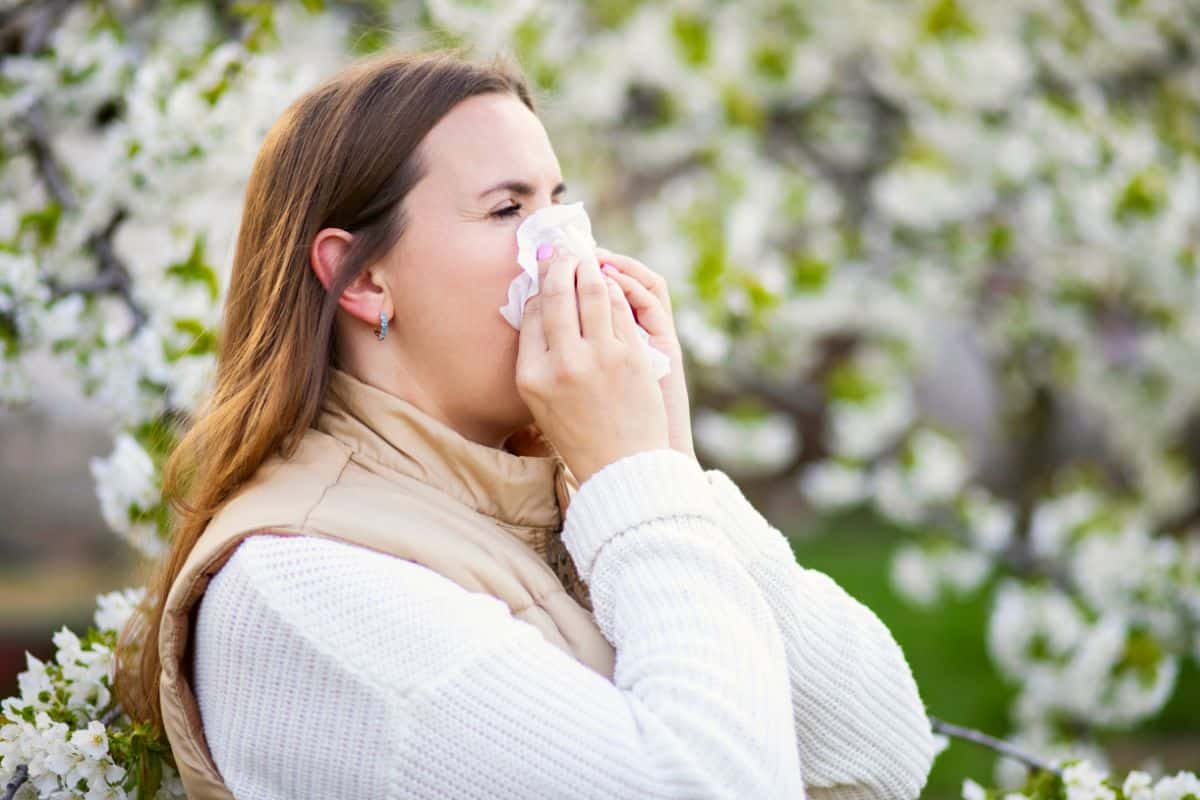
If you’ve never had allergies but suddenly find yourself sneezing or dealing with itchy eyes, you may be wondering why. It turns out you’re not alone. While allergies are often thought to develop in childhood, they can emerge at any age—even in adulthood.
Why Do Allergies Develop Later in Life?
Allergies occur when your immune system overreacts to substances that are normally harmless, such as pollen, dust, or mold. While some people are born with a predisposition to allergies, others may develop them over time due to increased exposure to allergens, changes in environment, or shifts in the immune system.
For example, if you move to a new area with different plant life, your body may start reacting to local pollen, or if you get a new pet, you may find that your immune system is more sensitive to their dander than previous pets. Additionally, as you age, changes in your immune function may make you more sensitive to allergens that never bothered you before.
Seasonal vs. Environmental Allergies: What’s the Difference?
Seasonal allergies are triggered by pollen from trees, grass, or weeds that are more prevalent during specific times of the year – usually spring and fall. Spring allergies are typically caused by tree pollen, while summer brings grass pollen, and fall introduces ragweed. If your symptoms appear around the same time each year, seasonal allergies are likely the cause.
Environmental allergies, on the other hand, can occur year-round and are often triggered by indoor allergens such as dust mites, pet dander, or mold. These allergens can cause similar symptoms but may not be tied to a particular season. Some people have both seasonal and environmental allergies, leading to symptoms that persist throughout the year but worsen during peak allergy seasons.
Common Symptoms of Spring Allergies
Spring allergies can cause a range of symptoms, including:
- Sneezing
- Nasal congestion
- Runny or itchy nose
- Watery, itchy, or red eyes
- Scratchy throat or postnasal drip
- Coughing
- Itchy skin (usually due to direct contact with the allergen, such as from petting an animal and then touching your face)
- Fatigue due to disrupted sleep from congestion
Some people also experience oral allergy syndrome, which occurs when the immune system confuses proteins in certain raw fruits or vegetables with pollen. If you notice itching or mild swelling in your mouth or throat after eating foods like apples, cherries, or melons during allergy season, this could be the cause.
How Are Seasonal Allergies Diagnosed?
If you suspect you’ve developed allergies later in life, an evaluation by a medical provider can help confirm the cause of your symptoms. Blood tests can identify allergic reactions to specific pollens and environmental allergens, allowing for targeted treatment options.
Managing Spring Allergies: Treatment Options
While allergies can be frustrating, several treatment options can help manage symptoms effectively:
- Antihistamines: Over-the-counter or prescription antihistamines can help reduce sneezing, itching, and runny nose.
- Nasal corticosteroids: Sprays like fluticasone (Flonase) or mometasone (Nasonex) help reduce inflammation and congestion.
- Decongestants: Medications like pseudoephedrine (Sudafed) can relieve nasal congestion and are typically used short-term.
- Allergy shots (immunotherapy): For severe or persistent allergies, immunotherapy can help reduce long-term sensitivity to allergens.
- Lifestyle adjustments: Keeping windows closed during peak pollen times, using air purifiers, and showering after outdoor exposure can help minimize allergen contact.
When to Visit Urgent Care for Allergy Relief
If your allergy symptoms are severe, interfere with daily life, or lead to complications like sinus infections or difficulty breathing, visiting an urgent care clinic can provide quick relief. Our providers can assess your symptoms, recommend effective treatments, and discuss further testing if needed.
Spring allergies may be new to you, but they don’t have to disrupt your life. If you’re experiencing unexpected allergy symptoms, visit EZCare Walk-In Medical Centersme}} for expert care and symptom relief.
